Valletta · Malta
Valletta
The tip of the Valletta peninsula, where a shallow WWII destroyer wreck sits in St Elmo Bay on one side and a proper reef with a drop-off to 35 m runs off the fort on the other. Easy shore diving under four hundred year old bastions.
Sea conditions
Excellent right now
Flat, sheltered and calm
Diveable for the rest of the day.
Forecast for the site, updated 12:44 PM · Models agree
Measured at Fort St Elmo (3.7 km away, 01:50 PM): 10 km/h from NNW, gusts 11. The next hours lean on it.
- Waves
- 0.3 m
- from SSE, biggest 0.3
- Wind
- 10 km/h
- NW, gusts 21
- Swell
- 0.2 m
- 4 s period
- Sea temp
- 28 °C
- air 25 °C
Hour by hour
Next 7 days
Sunrise 06:47, sunset 19:03
Waves: Copernicus Med-Waves 4 km + MFWAM 8 km + EWAM 5 km + ECMWF WAM 9 km. Wind: ICON-2I 2 km + ECMWF IFS 9 km + ICON-EU 7 km + UKMO 10 km + ARPEGE 11 km. Read a few km out on the side the site is open to, then blended.
Exposed to wind and swell from: N (0°), NE (45°), E (90°). St Elmo Bay opens to the north and north east, so that is the weather that closes it. Southerlies and westerlies leave it flat and it is a reliable choice when the north west coast is unworkable. Visibility is inconsistent, harbour water and boat wash can knock it back to a handful of metres, though on a settled day it opens up nicely on the outer reef. Best season: All year for the shallow wreck, best April to November, and always better in the morning.
Dives at Valletta
The dive
Two very different dives share one car park. On the Marsamxett side, St Elmo Bay holds the forepart of HMS Maori in sixteen metres of water, broken, sandy and full of fish, and shallow enough that snorkellers and freedivers use it too. Round the seaward tip of the fort, the reef begins at about thirteen metres, wanders east north east over boulders and gullies to around seventeen, then falls away to thirty five. That single spot covers a first open water wreck and a decent deep reef.
Access is unusually generous. There are seven entry and exit points spread around the bay and the fort, from proper ladders to rock-cut steps to a sloping path, and one of them serves both the reef and the wreck if you want to do the lot on one tank fill. Everything sits directly beneath the bastions of Fort St Elmo, which makes the surface interval one of the better ones in the Mediterranean.
The complication is traffic. You are diving between the mouths of Grand Harbour and Marsamxett, and ferries, cruise tenders and pleasure boats cut across constantly. A DSMB is not optional here. Two other pieces of local knowledge: dive the reef in the morning, because by afternoon the fort throws the whole thing into shadow, and do not leave anything in the car, this car park has a long and specific reputation for break-ins while divers are underwater.
- A real Second World War destroyer wreck in sixteen metres, from the shore
- A reef with a genuine drop-off to 35 m round the corner from the wreck
- Seven entry and exit points, so there is almost always one that works
- Diving directly beneath the bastions of Fort St Elmo
- Cafes, parking and the whole of Valletta for the surface interval
Typical plan
For the wreck, enter at the St Elmo Bay ladder, follow the sand out to the Maori at twelve to sixteen metres, circle it and the debris field, then finish shallow along the rocks: fifty to sixty minutes on a single 12 litre. For the reef, use an entry nearer the fort, swim out to the reef top at thirteen to seventeen metres, run east north east along the boulders and drop over the edge to twenty five or thirty for ten minutes before working back up the gullies: forty five minutes, nitrox 32 pays here. Go in the morning for light on the reef, and put a DSMB up before surfacing anywhere near the harbour mouths.
What the bottom looks like
- 1Rocky slope out of St Elmo Bay8 m deep · 40 m out
- 2HMS Maori, forepart of a Tribal-class destroyer12 m deep · 70 m out
- 3Debris field behind the wreck, tyres, barrels, a motorbike16 m deep · 120 m out
- 4Fort St Elmo reef top, boulders and gullies14 m deep · 300 m out
- 5Boulder ground along the outer reef18 m deep · 420 m out
- 6Drop-off from the reef edge to 35 m28 m deep · 500 m out
Sand and rubble in the bay, giving way to blocky limestone reef with gullies and boulders off the fort and sand below the drop-off.
Who you might meet
Almost always
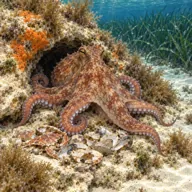

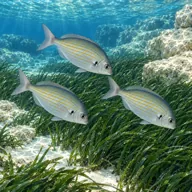
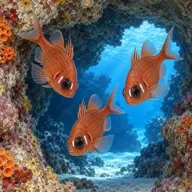
Often
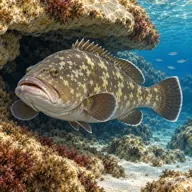
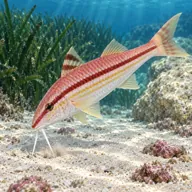
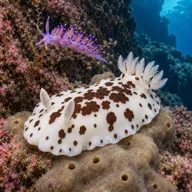
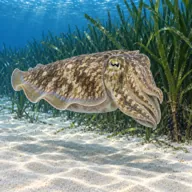
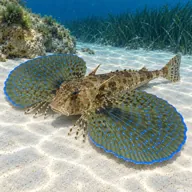
Marked ones can hurt you. What they do and what to do about it is under Getting in and staying safe.
Getting in and staying safe
Drive to the car park at the tip of the peninsula below Fort St Elmo. Seven entry and exit points ring the bay and the fort: ladders, rock-cut steps down to a natural pool with a breach in the rock leading to open sea, and a gently sloping rocky shore further out towards the St Elmo breakwater. One entry works for both the Maori and the reef. Cafes, bars and toilets are available when open, and the city itself is a two minute walk. Take nothing of value to the car park, thefts from vehicles during dives are a known and persistent problem here.
- Heavy boat traffic between the two harbour mouths, DSMB essential
- Swell and surge at the entry points in any northerly or easterly
- Slippery steps and ladders, especially with kit on
- Depth to 35 m at the reef drop-off
- Sharp corroded metal on and around the Maori wreck
- Silt inside the wreck, and a collapsing structure that should not be penetrated
- Shadow and low light on the reef from mid afternoon onwards
- Car break-ins in the dive car park
- Jellyfish drifting in during late summer
Marine life to respect
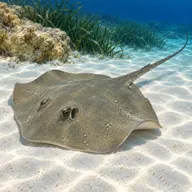
Common stingray · Boll Can hurt you
Whips a barbed tail if stepped on or cornered. Stay off the sand and give it room.
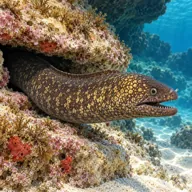
Mediterranean moray · Morina Can hurt you
Bites hard if a hand goes into its hole. Keep hands out of cracks and never feed one.
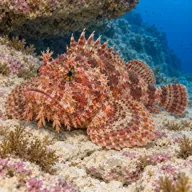
Red scorpionfish · Ċippullazza Can hurt you
Venomous spines, and it sits still on the rock. Look before you kneel or hold on; hot water if stung.
A bit of history
Fort St Elmo was built by the Order of St John in 1552 and destroyed holding out for over a month during the Great Siege of 1565, then rebuilt as the point defence of the new city of Valletta. The waters around it took a battering again in the Second World War. HMS Maori, a Tribal-class destroyer that helped cripple the Bismarck in May 1941, was bombed at her moorings in Grand Harbour on 12 February 1942; her forepart was raised in July 1945 and scuttled in St Elmo Bay, where it still lies. Other war losses remain inside Grand Harbour itself, among them the destroyer HMS Jersey and the tug and minesweeper HMS Andromeda, but harbour traffic keeps them effectively off limits.
Divers say
Sign in to rate this site and leave a note for the next diver.
- No reviews yet. First one gets bragging rights.
Further reading: Malta Dive Sites: Valletta · Malta Dive Sites: Fort St Elmo reef · Dive Shack Malta: Valletta dive sites · Wikipedia: Fort Saint Elmo · Oceanatik: Valletta dive sites