Qawra Point · Malta
Qawra Bay
The sheltered shallow bay on the south side of Qawra Point, two to ten metres of sand and seagrass, and the place half of Malta learns to dive. Unglamorous, dependable, and better on fish than it has any right to be.
Sea conditions
Good right now
Some chop (0.4 m ESE)
Forecast for the site, updated 01:45 AM
- Waves
- 0.4 m
- from ESE
- Wind
- n/a
- Swell
- 0.4 m
- 5 s period
- Sea temp
- 29 °C
Next 7 days
Exposed to wind and swell from: E (90°), SE (135°). Tucked under the headland, so it shrugs off the northwesterly that shuts down most of the north coast. An easterly or southeasterly puts chop straight into it and stirs the sand, which drops visibility quickly in water this shallow. On a good day expect 10 to 20 metres of visibility, and the water warms up early in the season because it is so shallow. Best season: Usable most of the year. April to November for comfort, and it is often the only workable option on the north of the island in a winter northwesterly..
The dive
Every island needs a bay like this. Qawra Bay is shallow, protected from the prevailing northwesterlies by the headland above it, and gently shelving, which makes it the default classroom for confined water skills, try dives and refreshers when the rest of the coast is a washing machine.
The bottom is a patchwork of clean sand and Posidonia seagrass, and that combination is quietly productive. Sand flats are where you find flatfish, small rays and the odd flying gurnard doing its impression of a butterfly. The seagrass hides pipefish, juveniles of a dozen species, cuttlefish in spring and the occasional very well camouflaged seahorse if you have the patience of a saint.
Depths run from about two metres near the shore to ten at the outer edge, which means you can spend an hour down here and surface with most of your tank still full. Ideal for photographers who want time rather than depth.
Nobody puts this site on a bucket list, and that is fine. It is the one that saves your holiday when the north side is unworkable, and it is a far better night dive than its daytime reputation suggests.
- Sheltered when the north coast is unworkable
- Wade-in entry with no ladders or jumps
- Sand and seagrass mosaic that rewards slow, close looking
- Excellent and safe night dive
- Cafes, toilets and the aquarium a two minute walk away
Typical plan
A slow, shallow hour. In off the shelving rock, out across the sand to the seagrass edge at 8 to 10 metres, then a lazy zigzag between grass and sand looking for cuttlefish, pipefish and anything buried. Come back inshore for the last fifteen minutes and finish in three metres. Air is more than enough and you will barely dent it. Ideal for camera work, training and night diving.
What the bottom looks like
- 1Shallow sand shelf used for skills2 m deep · 20 m out
- 2First Posidonia patches5 m deep · 110 m out
- 3Low inner reef and rock outcrops6 m deep · 170 m out
- 4Open sand flats good for rays and gurnards8 m deep · 230 m out
- 5Dense seagrass at the outer edge of the bay10 m deep · 290 m out
- 6Scattered boulders on the return leg8 m deep · 420 m out
Mostly clean sand with patches of Posidonia seagrass and low rock outcrops between them.
Who you might meet
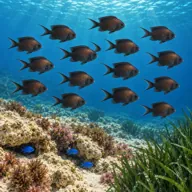
Damselfish
Almost always · Ċawl
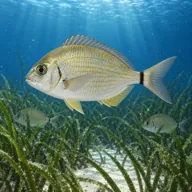
Annular bream
Almost always · Sparlu
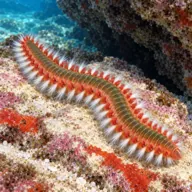
Fireworm
Almost always · Busuf · Summer
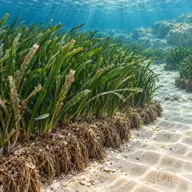
Posidonia meadows
Almost always · Alka
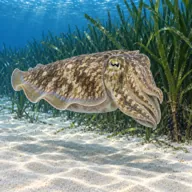
Common cuttlefish
Often · Siċċa · Spring
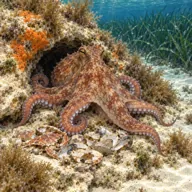
Common octopus
Often · Qarnit
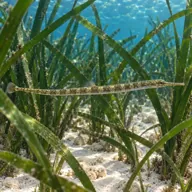
Pipefish
Often · Gremxula tal-baħar
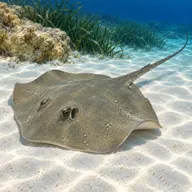
Common stingray
Sometimes · Bokkatura
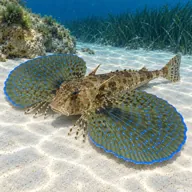
Flying gurnard
Sometimes · Bies · Summer
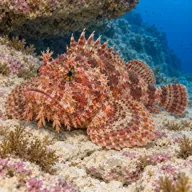
Red scorpionfish
Sometimes · Ċippullazza
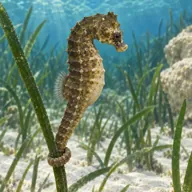
Short-snouted seahorse
Lucky day · Żiemel tal-baħar
Getting in and staying safe
The easiest entry on the peninsula. Park on the Qawra Point promenade or in the lots near the Malta National Aquarium, walk a short distance to the south side of the point, and wade in off the gently shelving rock and sand. No ladder gymnastics, no leap of faith. Public toilets, cafes and restaurants are all within a couple of minutes, which makes it a good site for groups with non-divers in tow. Kit up at the car, the carry is short.
- Swimmers, snorkellers and pedaloes sharing the same shallow water in summer
- Small boat traffic entering and leaving the bay
- Slippery weed-covered rock at the waterline
- Very shallow depths, easy to bump the seagrass and silt things out
- Jellyfish blown in on an easterly in late summer
- Sunburn and heat exhaustion while kitted up on a hot day
- Discarded fishing line and litter near the shore
A bit of history
Nothing dramatic. The bay sits in the lee of the Qawra headland, watched over since 1638 by Qawra Tower, one of the Lascaris watchtowers of the Order of Saint John, which now runs as the Ta' Fra Ben restaurant. The Posidonia beds on the bottom are the oldest thing here by some margin: these meadows grow at a few centimetres a year and the ones in Maltese bays have been quietly building for centuries.
Divers say
Sign in to rate this site and leave a note for the next diver.
- No reviews yet. First one gets bragging rights.
Further reading: Malta Dive Sites: Qawra Bay · Malta Dive Sites: Qawra Point overview · New Dimension Scuba: Qawra Point · Wikipedia: Qawra Tower