Malta
St Paul's Reef
A long rocky reef running seaward from St Paul's Islands, with a shallow inner shoulder, a stepped outer edge down to about 25 m and a narrow canyon cut into it. Boat only, and rarely busy.
Sea conditions
Excellent right now
Flat, sheltered and calm
Forecast for the site, updated 01:47 AM
- Waves
- 0.3 m
- from SE
- Wind
- n/a
- Swell
- 0.3 m
- 5 s period
- Sea temp
- 29 °C
Next 7 days
Exposed to wind and swell from: N (0°), NE (45°), E (90°), SE (135°). The island gives some cover from the north west, but the reef still sits in open water and picks up anything with north or east in it. Look for a light southerly or a flat calm. Visibility is the variable to check locally before you commit. Best season: May to October, best on settled summer mornings before the afternoon breeze builds.
The dive
The reef is really three dives sharing one name. The inside, tucked towards the island, is a bright shallow garden in five to ten metres, full of rock, sand patches and the sort of fish that ignore you. The outside is where the rock stacks into a low wall and steps down towards twenty five metres, with overhangs to poke a torch under. Linking them is a canyon, a slot in the reef that you swim rather than drop into, and which does a good job of feeling like proper terrain in water this shallow.
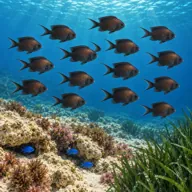
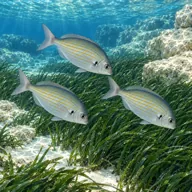
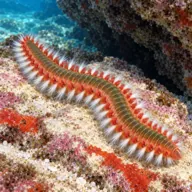
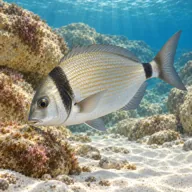
Opinions on the marine life swing wildly, which is a fair reflection of a site nobody dives often. Some logs describe it as bare rock with sea urchins and fireworms, others rave about the growth on the overhangs and the fish holding on the outer edge. Both are probably true on different days. Aquaculture cages sit within a few kilometres, and when their plume drifts across, the visibility drops and the place looks tired.
What the reef always gives you is space and shallow water. Average depth is around seven metres, so bottom time is generous, and the topography rewards a slow meander instead of a route. It makes a relaxed second dive after something deeper off Qawra.
- A canyon you can swim at recreational depth without a single decompression worry
- Overhangs on the outer edge that repay a torch and a slow pass
- Very long bottom times thanks to a seven metre average
- Quiet site that most boats drive straight past on the way to Qawra
Typical plan
Boat drop on the shallow shoulder, drift out along the reef to the canyon, swim its length and continue to the outer steps at eighteen to twenty five metres for the first twenty minutes. Turn shallow and work the top of the reef back towards the island, which keeps the tail of the dive in six to ten metres and stretches a single 12 litre to an hour or more. Air is fine; nitrox 32 adds nothing at these depths beyond a comfort margin. Deploy a DSMB before you come up, the boat traffic here is not looking for divers.
What the bottom looks like
- 1Inside reef, shallow rock and sand6 m deep · 40 m out
- 2Canyon, a narrow slot cut through the reef11 m deep · 150 m out
- 3Outside reef, stepped low wall with overhangs16 m deep · 250 m out
- 4Fallen blocks at the foot of the steps19 m deep · 300 m out
- 5Sand at the outer limit of the reef25 m deep · 390 m out
Blocky Coralline limestone in ledges and slots, with sand and rubble filling the gaps and a sand floor beyond the outer edge.
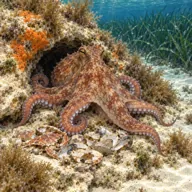
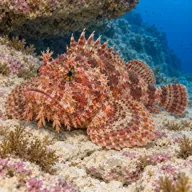
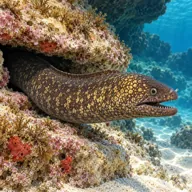
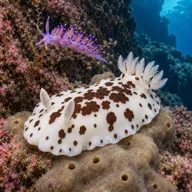
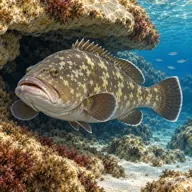
Who you might meet

Getting in and staying safe
Boat only. Most operators run out from the jetties in St Paul's Bay or Bugibba, a short hop of a few minutes, and RIBs out of Mellieha also reach it easily. There is no shore option worth the effort. Skippers usually drop you on the shallow shoulder and pick up down current, so agree a surface signal and carry a DSMB.
- Surface chop and surge, the reef is exposed and the shallow top amplifies swell
- Boat traffic, including aquaculture service boats and summer pleasure craft
- Variable and sometimes poor visibility linked to nearby fish farms
- Fireworms and sea urchins on the rock, easy to brush while finning shallow
- Snagged fishing line and lost tackle on the outer edge
- Jellyfish in late summer
- Easy to over-run bottom time because the average depth is so shallow
A bit of history
The reef takes its name from St Paul's Islands alongside it, traditionally identified with the shipwreck of the Apostle Paul in AD 60. The limestone here is the same Upper Coralline cap that armours much of Malta's north coast, which is why the reef breaks into blocks and slots rather than smooth slopes.
Divers say
Sign in to rate this site and leave a note for the next diver.
- No reviews yet. First one gets bragging rights.
Further reading: Malta Dive Sites: St Paul's Reef · Calypso Sub Aqua Club: St Paul's Reef · Malta Dive Sites: St Paul's Channel (adjacent site)