Sliema · Malta
Qui Si Sana
The plain, practical end of the Sliema reefs, tucked under the Tigne seafront. Shallow, sheltered and mostly used for training and try dives.
Sea conditions
Excellent right now
Flat, sheltered and calm
Forecast for the site, updated 02:18 AM
- Waves
- n/a
- Wind
- 3 km/h
- SSW, gusts 6
- Swell
- n/a
- Sea temp
- n/a
- air 25 °C
Next 7 days
Sunrise 06:46, sunset 19:04
Exposed to wind and swell from: N (0°), NE (45°), E (90°), SE (135°). Calm in westerly and northwesterly weather. The corner catches anything from the northeast round to the southeast, and the entry points become dangerous long before the water looks bad from the promenade. Best season: June to November for warmth and clarity; diveable in winter on calm days, with far easier parking..
The dive
Qui Si Sana is the site nobody writes home about and plenty of people learn to dive on. It is the shallow rock and sand shelf off the seafront of the same name, between Fond Ghadir and the Tigne headland, and it does one job extremely well: it gives instructors calm, shallow, easily supervised water within sight of a car park.
Underwater it is a gentler version of its neighbours. There is rock and there are ledges, but fewer of the dramatic canyons and tunnels you get up at Fortizza Reef and Coral Gardens. Depth builds slowly to around 12 to 15 metres, the bottom mixes low reef with sand patches, and the sand is what makes it useful, because you can kneel, hover and run skills without wrecking anything.
For a qualified diver it is best framed as a short, low-stress dive rather than a destination: a night dive, a shakedown with new kit, a photography potter, or the second half of a day when the swell has shut the north coast. The life is the usual city-reef cast of octopus, wrasse, bream, blennies and the odd moray, with more of it than the concrete backdrop would suggest.
The access is the reason this one is rated harder than its neighbours. The shoreline here is built up and the water's-edge options are cut rock and ladders rather than a friendly slipway, so scout your exit before you get in, and never assume the point you entered will still be comfortable when a swell arrives.
- Calm, shallow water made for try dives and skills work
- Clean sand patches where you can practise without damaging reef
- Handy fallback when the rest of the island is blown out
- Quiet spot for a short night dive
- Everything you need on the seafront a few steps away
Typical plan
Enter at the cut rock, drop to 4 or 5 metres and swim out over the ledges to the sand at 10 to 12 metres for whatever skills or photos are on the agenda. Turn along the shore for a while, then work back inshore and finish shallow. Forty five to sixty minutes on air, no decompression concerns, and keep a bearing on your entry point because the shoreline looks much the same in both directions.
What the bottom looks like
- 1Cut rock entry and ladder0 m deep · 0 m out
- 2Low rock ledges close to shore5 m deep · 30 m out
- 3Open sand patch used for skills9 m deep · 70 m out
- 4Scattered blocks and rubble12 m deep · 120 m out
- 5Weed and seagrass on the outer shelf14 m deep · 175 m out
Low limestone ledges broken up by clean sand patches, with weed further out.
Who you might meet
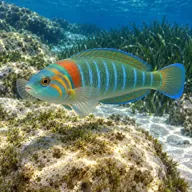
Ornate and painted wrasse
Almost always · Tirda tal-passa
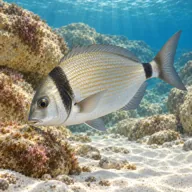
Two-banded seabream
Almost always · Sargu

Mediterranean damselfish
Almost always · Ċawl
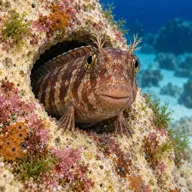
Blennies and gobies
Almost always · Budakkra
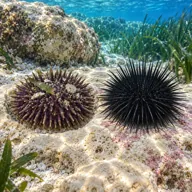
Sea urchins
Almost always · Rizzi

Common octopus
Often · Qarnit
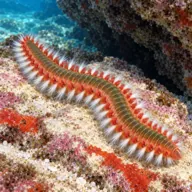
Fireworms
Often · Busuf
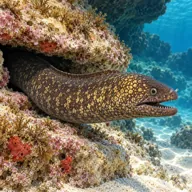
Moray eel
Sometimes · Morina
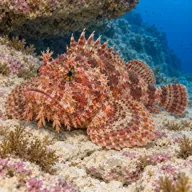
Scorpionfish
Sometimes · Cippullazza
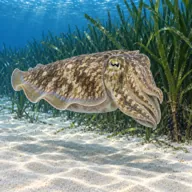
Cuttlefish
Sometimes · Siccia · spring
Getting in and staying safe
Shore dive off the Qui-Si-Sana seafront, rated the most awkward of the Sliema entries. Access is over cut rock, steps and ladders with a walk from wherever you manage to park, and parking is genuinely difficult from June to September. Scout the exit before entering. Cafes, toilets and shops are close by along the Tigne and Sliema fronts, and dive centres are a short drive up Tower Road.
- Awkward entry and exit over cut rock and ladders, worse in any swell
- Boat traffic near the mouth of Marsamxett Harbour
- Slippery rock and sea urchins at the water's edge
- Long walk in kit from parking
- Trainees and snorkellers in the same small area
- Jellyfish in late summer
A bit of history
The name is Italian in origin, from the phrase used for a place where one comes to recover one's health, and it was attached to this stretch of Sliema seafront in the era when Maltese and visiting families came here to bathe. The shoreline sits just outside Fort Tigne and the entrance to Marsamxett Harbour, and the rock still carries cut steps and bathing places from that period.
Divers say
Sign in to rate this site and leave a note for the next diver.
- No reviews yet. First one gets bragging rights.
Further reading: Malta Dive Sites: Qui Si Sana · Wikipedia: Sliema, Qui-Si-Sana and Tigne waterfront · Dive Systems Malta: Sliema shore diving