Delimara · Malta
East Reef
The friendly corner of Delimara Point: a shallow reef of low ledges and sand channels that makes a gentle, unhurried dive, provided the sea has been flat for days.
Sea conditions
Good right now
Some chop (0.5 m E)
Forecast for the site, updated 01:46 AM
- Waves
- 0.5 m
- from E
- Wind
- n/a
- Swell
- 0.5 m
- 5 s period
- Sea temp
- 29 °C
Next 7 days
Exposed to wind and swell from: NE (45°), E (90°), SE (135°). This reef needs the sea to have been flat for a couple of days, not just flat this morning. Leftover easterly swell still breaks on the entry rocks long after the wind has died. In a westerly it goes glassy and the visibility is superb. Best season: June to September for the most reliable calm, with early mornings the best bet before the afternoon sea breeze fills in..
The dive
East Reef is the easy option at Delimara, and at this headland easy is a relative word. The ground shelves gently away from the rocks into a broad shallow reef of low ledges, cracks and sand channels, with most of the interest sitting between 5 and 15 metres and a slow slope carrying you out toward 25 if you want the depth.
It is a pleasant, low pressure dive with very good visibility on its day and enough small life in the crevices to keep a camera busy for an hour. Nothing about the topography is dramatic, which is exactly the appeal after the more serious south side.
The reason it is rarely dived has nothing to do with what is underwater. The reef faces due east and takes any swell from that quarter straight on the chin, and the entry is over bare rock with no ladder and no handrail. On a genuinely calm day it is lovely. On anything else you should not be standing there with a cylinder on your back.
- The one dive at Delimara that does not need an advanced card
- Excellent visibility when the sea cooperates
- Sand channels and ledges that reward slow looking
- Shallow enough for a long, relaxed bottom time
Typical plan
Step in off the rocks on the eastern side, drop to 5 metres and follow the reef out on a compass bearing, letting it take you gradually to 12 or 15 metres. Turn at around 25 minutes or half your gas, then work back inshore along a different line of ledges. An hour on a single cylinder is comfortable and air is rarely the limiting factor. Keep the last 10 minutes above 6 metres poking into the shallow cracks, which is where the octopus and the small stuff live, and surface close to your exit rather than swimming in on the surface.
What the bottom looks like
- 1Low ledges and cracks on the shallow shelf6 m deep · 40 m out
- 2Sand channels running between reef fingers12 m deep · 110 m out
- 3Scattered boulders on the outer slope18 m deep · 180 m out
- 4Thin Posidonia patches at the edge of the sand22 m deep · 250 m out
Low limestone ledges broken by clean sand channels, with patchy seagrass further out on the slope.
Who you might meet

Damselfish
Almost always · Ċawl
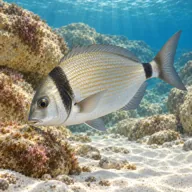
Two-banded bream
Almost always · Sargu
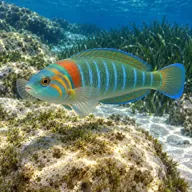
Ornate wrasse
Almost always · Tirda tal-passa
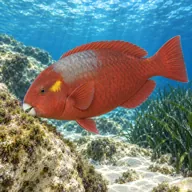
Mediterranean parrotfish
Almost always · Marzpan

Sea urchins
Almost always · Rizzi

Octopus
Often · Qarnit
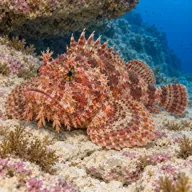
Scorpionfish
Often · Ċippullazza
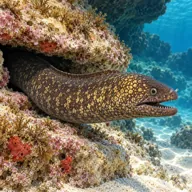
Moray eel
Sometimes · Morina
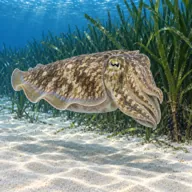
Cuttlefish
Sometimes · Siċċa · Spring
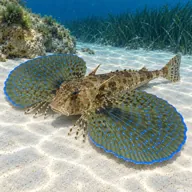
Flying gurnard
Lucky day · Bies
Getting in and staying safe
Same approach as the rest of the peninsula: park on the rough roadside near the lighthouse and walk out over broken ground to the eastern side of the point. The carry is not long but it is uneven, so a buddy check before you start moving beats a stumble halfway. Entry is a step or slide off low rock into shallow water, with the exit at the same spot. Nothing in the way of facilities, so sort food, water and toilets in Marsaxlokk beforehand.
- Swell from the east arrives with no warning and no shelter
- Bare rock entry and exit, no ladder or steps
- Sea urchins on the shallow rock right where you put your hands
- Boat traffic rounding the point, fly a surface marker
- Fishing line snagged in the shallow ledges
- Uneven walk in with kit
A bit of history
No wrecks and no legends here, just the drowned edge of the Delimara limestone shelf stepping seawards in the same beds you walk over on the way in.
Divers say
Sign in to rate this site and leave a note for the next diver.
- No reviews yet. First one gets bragging rights.
Further reading: Malta Dive Sites, East Reef Delimara · Calypso Sub-Aqua Club, Delimara Point · Malta Dive Sites, Delimara area