Malta
HMD Trusty Star
A 1919 drifter turned wartime minesweeper lying on her starboard side at 90 m, three kilometres off Fort St Elmo. Found in 2016, opened to permitted technical divers in 2019, and still one of the least visited wrecks on the island.
Sea conditions
Good right now
Some chop (0.5 m E)
Forecast for the site, updated 01:45 AM
- Waves
- 0.5 m
- from E
- Wind
- n/a
- Swell
- 0.5 m
- 5 s period
- Sea temp
- 29 °C
Next 7 days
Exposed to wind and swell from: N (0°), NE (45°), E (90°), SE (135°). Further offshore than the other Valletta wrecks and correspondingly more exposed, so you need genuinely flat water for the hours of decompression this dive demands. Southerly and westerly winds are the ones to look for. Visibility at depth is usually excellent in the water column and poor the moment anyone stirs the wreck. Best season: June to September, on settled days with a southerly airflow.
The dive
Trusty Star had four names and three careers before the sea took her. Built on the Ouse in 1919 as a naval drifter called Groundswell, she went fishing out of Scotland as Elie Ness, then was requisitioned in 1939, renamed and converted into a minesweeper. She hit a mine in Grand Harbour in 1941, was salvaged and put straight back to work, and then hit another one outside the harbour in June 1942. That second one finished her.
Ninety metres down, she has been left almost entirely alone, and it shows. The hull is largely intact, canted over at about forty five degrees onto her starboard side on sand, with a soft grey blanket of silt over everything. At that depth you are diving in permanent dusk with your own light, so the wreck arrives in fragments: a rail, the line of the gunwale, the shape of the steam machinery, then blue again.
This is a Heritage Malta managed historic wreck, which means permits, approved operators and a set of rules about what you touch, which is nothing. It also means your bottom time is measured in the same minutes as your surface interval is measured in hours. For divers with the training, the gas and the patience, it is one of the most rewarding deep wrecks the Maltese islands have.
- A near intact 1919 drifter that nobody touched between 1942 and 2016
- Heeled at forty five degrees, which makes for unusual, dramatic angles
- Protected historic wreck status, so nothing has been stripped
- One of the deepest permitted wreck dives in the Maltese islands
- A ship that survived one mine, was salvaged, and then met a second
Typical plan
Trimix on a rebreather or a full open circuit set with stages, boat deployed shot, and a permitted operator running the show. Bottom time is typically fifteen to twenty minutes at 86 to 90 m, enough for one pass along the hull and a look at the machinery, followed by two hours or more of staged decompression on the line and on markers. Support divers or a dedicated deco station are normal. Plan conservatively, the wreck will still be there next season.
What the bottom looks like
- 1Shot line touchdown amidships89 m deep · 46 m out
- 2Bow, high side of the list87 m deep · 58 m out
- 3Steam machinery and boiler space89 m deep · 70 m out
- 4Stern on the sand90 m deep · 85 m out
- 5Silted sand plain around the hull90 m deep · 115 m out
Fine sand and settled silt at 90 m, with the hull heeled about forty five degrees to starboard.
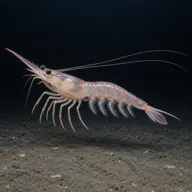
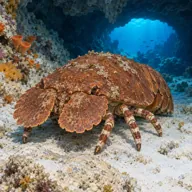
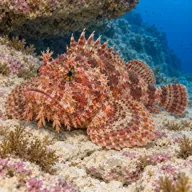
Who you might meet


Getting in and staying safe
Boat only, and only through a dive centre registered with Heritage Malta's Underwater Cultural Heritage Unit. Expect a permit, a briefing on the rules for protected wrecks, and a shot deployed by the skipper. The run out from Valletta or Sliema is short but the surface support requirement is serious: this is deep trimix diving in the approaches to a working harbour, with decompression runs long enough that the boat will be drifting with you for an hour or more.
- 90 m depth, trimix only, with a long staged decompression
- Permit and registered operator requirements, no freelancing
- Deep silt on and inside the hull that lifts at the slightest touch
- Commercial shipping traffic in the Grand Harbour approaches
- Very low ambient light, torch failure ends the dive
- Cold at depth and long exposure during deco
- Current at depth and on the ascent line
A bit of history
HMD Trusty Star was built in 1919 by Ouse Shipbuilding for the Royal Navy, a steel drifter of about 26 m by 5.5 m with a triple expansion steam engine, originally named HMT Groundswell. Sold out of the navy, she worked as the Scottish fishing vessel Elie Ness before the Admiralty requisitioned her in 1939, renamed her Trusty Star and converted her for minesweeping. She struck a mine in Grand Harbour on 30 April 1941 and was salvaged and returned to service by that September. On 10 June 1942, while clearing mines laid outside Grand Harbour by German S boats, she struck another and sank about 3 km off Fort St Elmo. Only one Maltese crewman was hurt; everyone else was picked up. The wreck was located in September 2016 and opened to divers under permit on 1 May 2019 as part of a group of protected First and Second World War wrecks managed by Heritage Malta.
Divers say
Sign in to rate this site and leave a note for the next diver.
- No reviews yet. First one gets bragging rights.
Further reading: Heritage Malta, HMS Trusty Star · DIVE Magazine, Malta's deep wrecks · Wrecksite, HMD Trusty Star · Heritage Malta, Underwater Cultural Heritage Unit